



03 Feb 2026

Tired Earth
By The Editorial Board
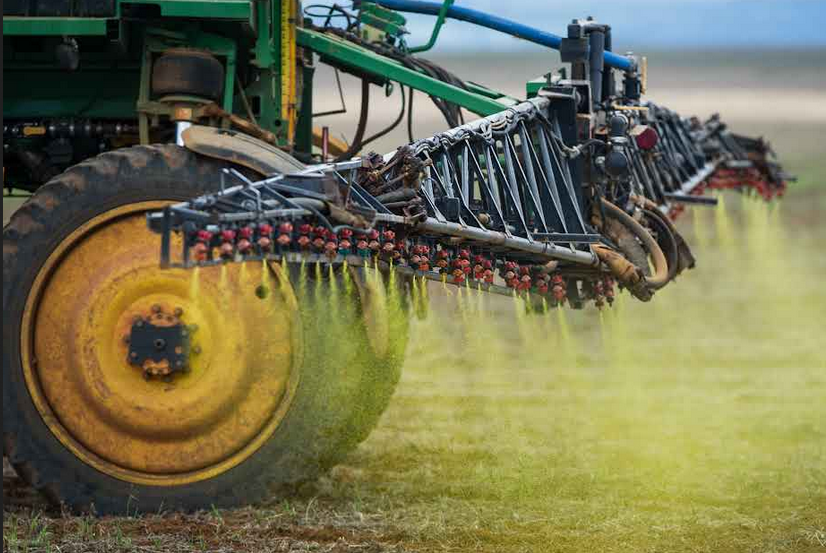
Pesticides continue to pose a severe ecological issue in Europe, endangering soils and natural ecosystems. Recent studies have revealed that more than two-thirds of European soils are now contaminated with chemicals used in agriculture, putting not only biodiversity at risk but also the health of living organisms that inhabit these lands. In response to this alarming reality, environmental organizations have launched an urgent call to protest the weakening of environmental protection laws in Europe.
A Collective Response from Environmental Organizations
Last Monday, several environmental organizations signed a petition to denounce the current policies of the European Commission, which is gradually weakening environmental protection laws under the guise of administrative simplification. According to activists, these actions are being taken under the pretext of streamlining bureaucratic processes, but they risk undermining long-established environmental protection standards in Europe.
Groups like the World Wildlife Fund (WWF) and other environmental defense organizations have expressed their concerns about this ongoing dismantling, emphasizing that nature protection laws that have been in place for decades are now under threat. "Under the guise of simplification, Europe's long-standing nature protection laws are being systematically unraveled," said Ska Keller, head of European policy at WWF Germany. She also pointed out that some countries, particularly Germany, are at the forefront of these efforts.
The Impact of Pesticides on European Soil
The concern grows as a recent study published in the scientific journal Nature highlights the extent of soil pollution by pesticides. According to the study, chemicals used to combat insects, weeds, and fungi are now present in more than two-thirds of European soils, causing significant harm to soil organisms.
An international team of researchers led by Marcel van der Heijden, a soil scientist at the University of Zurich, analyzed soil samples from 26 European countries. The team examined the presence of several types of pesticides, revealing their harmful effects on soil biodiversity. The results are alarming: pesticides are severely harming soil organisms such as earthworms, bacteria, and fungi, which are vital to soil health and ecosystem regeneration.
Glyphosate, used to eliminate weeds, was found to be one of the most commonly detected chemicals, not only in agricultural land but also in forests and meadows. The researchers believe that wind may have carried pesticide residue from fields into forests, exacerbating the pollution problem in areas that were previously considered protected from agricultural chemicals.
A Growing Threat to Biodiversity
The impact of this pollution on ecosystems is manifold. One of the most worrying effects is the destruction of symbiotic fungi that live in association with plant roots. These fungi play a crucial role in helping plants absorb water and nutrients. Their disappearance directly threatens agricultural productivity and compromises plant health. Soil bacteria, on the other hand, play a vital role in decomposing organic matter and regenerating the soil. Their decline disrupts nutrient cycles, ultimately affecting soil fertility in the long term.
Christoph Scherber, a professor of biodiversity monitoring at the University of Bonn, who did not participate in the study but commented on the results, warned that current agricultural practices, including the widespread use of pesticides, are entirely unsustainable for future generations. He added that the belief that pesticides target only harmful organisms is now clearly debunked by the facts: "It seems that we are currently practicing agriculture in a haphazard way, according to the motto: 'spray first, understand later,'" he said.
A Dangerous Environmental Reform Underway
These findings come at a time when the European Commission is considering reducing the frequency of pesticide license renewals. Currently, pesticides undergo regular evaluations to ensure their safety. However, the Commission now proposes to ease these regulations, giving more flexibility to agricultural companies and speeding up the authorization process.
Experts like Professor Karsten Brühl from the University of Kaiserslautern, who did not participate in the study, criticized this approach, calling it a "wrong measure at the wrong time." He emphasized that this policy could undermine environmental safety and harm human health, while also jeopardizing biodiversity conservation efforts.
Towards a Sustainable Agricultural Model
The current situation highlights the need for a deep reform of how European agriculture is managed. The excessive use of pesticides jeopardizes not only soil health but also the future of generations to come. Scientists and environmental experts are calling for a comprehensive review of the EU’s agricultural policies, particularly to promote sustainable alternatives such as organic farming and environmentally friendly agricultural practices.
Change is more necessary than ever, but we must also rethink how environmental laws are enforced. Only by acting with rigor and preserving the integrity of our ecological laws can we ensure a sustainable future for our soils, biodiversity, and ultimately, our health.

The best of Tired Earth delivered to your inbox
Sign up for more inspiring photos, stories, and special offers from Tired Earth
By signing up for this email, you are agreeing to news, offers, and information from Tired Earth. Click here to visit our Privacy Policy.


Comment