



02 Feb 2026

Tired Earth
By The Editorial Board
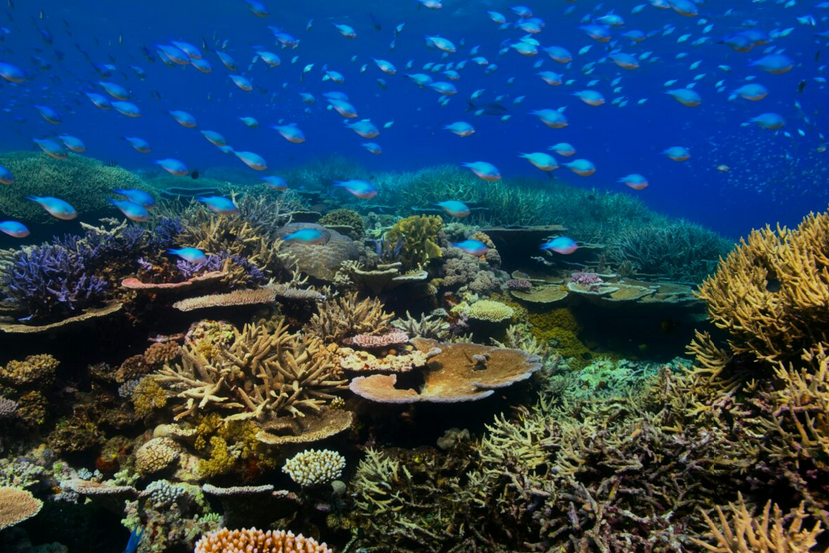
You may wonder why this affects you. However, coral reefs influence your life far more than you might think. Many people, such as pescatarians, rely on fish that thrive in coral reefs as a source of protein and the healthier the reefs, the more fish it can support. Coral reefs are not only fundamental for nutrition, but they also act like natural sea walls, breaking the force of waves and storms and reducing the risk of tsunamis, which protects coastal homes. Finally, many medicines, including some used to treat cancer, are developed from chemicals found in reef organisms.
Fortunately, hope lies in a solution known as coral outplanting. This innovative process begins with scientists carefully extracting small fragments, referred to as “nubbins,” from healthy donor corals and nurturing them in specialized coral nurseries. When the fragments have grown robust enough to survive, they are transplanted onto dead coral skeletons or bare rock. After attachment, the corals gradually fuse with the reef structure, developing branches or skeletons that provide critical habitat for fish, invertebrates, and other marine life. Over the course of several years, these fragments mature into expansive colonies, gradually restoring the reef’s complexity and vitality.

Image: Dan Mele Photograph
The success of this method is already evident around the globe. Research indicates that transplanted corals can achieve net reef growth comparable to that of healthy reefs within just four years. In Florida, USA, a restoration project observed clusters of Acropora palmata (elkhorn coral) surviving at a rate of over 90% after only six months. Similarly, in Bahía Culebra, Costa Rica, Pocillopora spp. colonies demonstrated 100% survival, expanding their area by an impressive 333% in a single year. Comparable initiatives in the Seychelles and Maldives further illustrate that, with dedication, scientific guidance, and careful planning, even severely damaged reefs can recover.
Coral reefs are not only visually stunning but are also home to an astonishing variety of marine life. A single restored reef can harbor thousands of fish species, from vibrant clownfish and parrotfish to majestic sea turtles. Every coral that establishes itself contributes to the formation of these intricate, life-supporting underwater communities.
So, what can you do to help? Recycle. Recycling, although sounding basic, reduces the amount of ocean-bound waste, while minimizing fertilizer use prevents algae overgrowth that can suffocate corals due to oxygen depletion. Choosing more sustainable forms of transport, will lower greenhouse gas emissions, mitigating ocean warming, and opting for reef-safe sunscreen and sustainable seafood supports reef-friendly practices. Furthermore, sharing knowledge and participating in local conservation initiatives amplifies the impact, turning small actions into collective change. Even fast and simple daily efforts like supporting reef charities or traveling responsibly near reefs can contribute significantly to the preservation of these ecosystems for future generations.
As marine biologist and coral reef scientist Dr. Thomas J. Goreau once remarked, “We can help put coral reefs on life support, but the problem won’t go away until global warming itself disappears.” Through the many ongoing restoration projects, innovative techniques, and global community engagement, coral reefs are being afforded a chance to flourish once more. Slowly but surely, the ocean’s vibrant-colored landscapes are returning, one coral at a time.
Source : happyeconews

The best of Tired Earth delivered to your inbox
Sign up for more inspiring photos, stories, and special offers from Tired Earth
By signing up for this email, you are agreeing to news, offers, and information from Tired Earth. Click here to visit our Privacy Policy.





Comment