The U.S. Environmental Protection Agency (EPA) has approved an exceptional measure: the switch to winter-grade gasoline—typically cheaper but more polluting—will be moved forward by two weeks to ease the burden on consumers facing soaring fuel prices linked to the war in Iran.
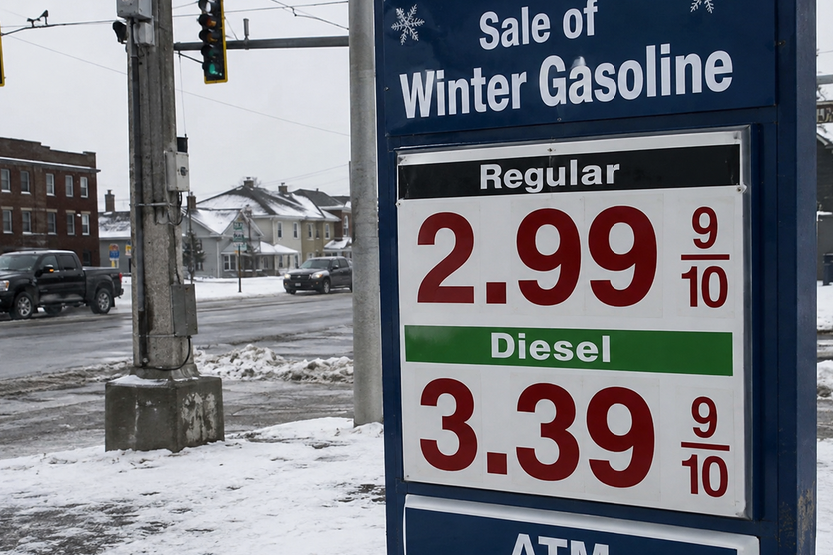
The Trump administration announced Thursday that it would allow an earlier transition to winter gasoline as part of efforts to address rising fuel prices and energy supply concerns related to the conflict with Iran. The EPA said it would relax requirements for summer-grade gasoline, which are normally in effect until September 15, and move that date up to September 1. The change will permit the sale of gasoline blended with 10% ethanol, a fuel that produces higher emissions than summer formulations.
A Response to Soaring Prices
The average price of gasoline in the United States has exceeded $4 per gallon since mid-July—about one dollar higher than before the war against Iran began. The U.S. Department of Energy projects that prices will remain elevated through the end of the year, as the U.S. and Iran have failed to reach an agreement to end the conflict and reopen the Strait of Hormuz. According to the White House, the measure will increase domestic supply by several hundred thousand barrels per day.
Environmental Implications
EPA Administrator Lee Zeldin said President Trump had made ensuring affordable gasoline and energy for American families a top priority. However, the actual impact of the measure on prices may vary depending on how quickly states respond to the federal policy change, as some states have their own fuel requirements.
Winter-grade gasoline, which has higher volatility, is permitted to reduce costs, but it contributes more to air pollution and smog formation. The decision comes as the Trump administration has already taken other steps to lower fuel prices, including allowing foreign-flagged vessels to transport oil between U.S. ports and authorizing the widespread sale of E15 fuel—higher in ethanol—during the summer. The measure could remain in effect until November 1 if the EPA decides to extend the waiver.











Comment
Reply