


07 Nov 2026

Tired Earth
By The Editorial Board
The Republican Party's sweeping midterm defeat was not a mystery. It was an admission—written in gasoline receipts, exit polls, and the candid post-mortems of the very men who launched the war.
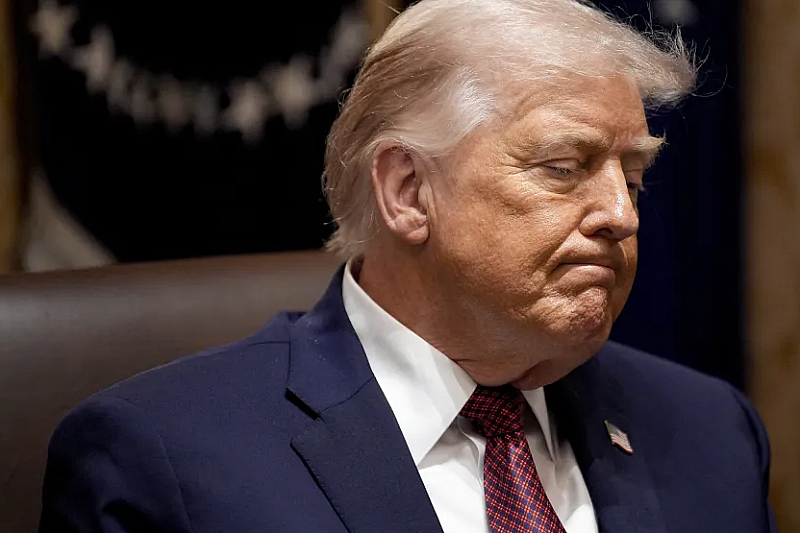
It took less than forty-eight hours for the architects of the war to name its political cost. Vice President JD Vance was blunt: "The reason we lost is the war. The president himself said so last night" . Donald Trump, asked about Vance's assessment, conceded it was "largely true because it drove gasoline up a little bit" . He added, without a trace of regret, that he would "do it again" .
That exchange—confession and defiance in a single breath—is the key to understanding what happened on November 3, 2026. The American electorate did not simply punish a party for a sluggish economy. It punished a president for choosing a war of discretion, and then refusing to acknowledge the price ordinary people paid for it.
From $2.98 to $4.15: The Arithmetic of War
The numbers are unforgiving. On February 27, 2026, the day before U.S. and Israeli jets began striking Iran, the national average price of gasoline was $2.98 per gallon**. By Election Day, it had climbed to **$4.15—an increase of nearly 40 percent. Brent crude, which sat at $67 a barrel before the war, jumped to $99 by March 1 and stayed there for eight months.
This was not a market hiccup. It was a direct consequence of the conflict. Iran retaliated against the strikes by disrupting the Strait of Hormuz, the chokepoint through which a fifth of the world's oil passes. The result was a sustained affordability shock that cascaded through diesel, food, and household budgets.
Voters noticed. An October Gallup poll found that gas prices were a top concern for 42 percent of voters. Consumer prices in September were 3.7 percent higher than a year earlier, contradicting the White House's sunny economic messaging. Among farmers—a reliably Republican constituency—steep energy costs produced what one industry leader called "despair" .
A War Americans Never Wanted
The fuel-price shock alone might have been survivable. What made it politically fatal was that it was inseparable from a war the public had never endorsed.
Exit polling by NBC News found that 74 percent of voters described the Iran war as a "crucial" or "major factor" in their vote. 62 percent said using military force against Iran was the "wrong decision" . A separate NBC exit poll put the figure at 63 percent calling it a mistake. A Reuters/Ipsos survey from September found only 34 percent of Americans approved of the strikes.
This was not a partisan split. It was a cross-cutting repudiation. Trump had campaigned in 2024 on a promise to keep America out of foreign entanglements. The Iran war—launched alongside Israel, without a clear endgame, and with no congressional authorization—violated that promise in the most visible way possible: at the pump.
"You have to be honest," Florida Governor Ron DeSantis said after the results. "Gas is higher. It hurts people, and it's higher because of this conflict. If you can't admit that to voters, then you're gaslighting them" .
The AIPAC Reckoning
The election also delivered a verdict on the domestic political machinery that had championed the war. The American Israel Public Affairs Committee (AIPAC) spent more than $84 million** in the 2026 midterms. Nearly two-thirds of that—**$55 million—went to candidates who lost. In Michigan, AIPAC poured roughly $32 million into an effort to defeat Democrat Abdul El-Sayed, who ran on a platform of American interests rather than unconditional support for Israel. El-Sayed won anyway.
An endorsement from AIPAC, once a prized asset, became a "stain that candidates hurry to wash off" . As Middle East Eye put it, voters passed judgment not only on the war but on "Washington's role in the Middle East: on its unconditional backing of Israel" .
The Message
The Republican defeat was not a fluke of turnout or a quirk of redistricting. It was a coherent, legible rejection of a war that made life more expensive and a political establishment that refused to say so.
Trump's own supporters now acknowledge the stakes. "The message from voters is clear," said Sina Toossi of the Center for International Policy. "They want relief from the war's economic costs, not more war" .
The new Democratic Congress will have oversight and funding powers come January, constraining the president's options. But the deeper constraint is electoral. The 2026 midterms demonstrated that when a president launches an unjustifiable war, the bill eventually arrives—not in the form of a sternly worded resolution, but in the price of a gallon of gas and the verdict of an angry electorate.
Trump says he would do it again. The voters have already said they will not.
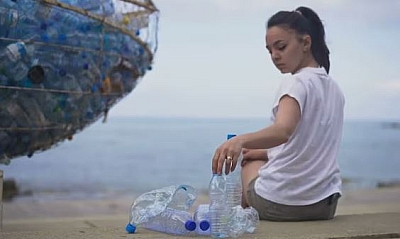
Plastic Pollution in Cameroon and Africa Plastic Pollution in Cameroon and Africa

The best of Tired Earth delivered to your inbox
Sign up for more inspiring photos, stories, and special offers from Tired Earth
By signing up for this email, you are agreeing to news, offers, and information from Tired Earth. Click here to visit our Privacy Policy.


Comment
Reply