


02 Jun 2026

Tired Earth
By The Editorial Board
In a statement released by the Department of Environment, a senior official warned that massive wildfires and persistent chemical pollution resulting from the recent military conflict could remain embedded in the natural environment for over three decades, severely disrupting wildlife reproductive cycles and ecosystem services.
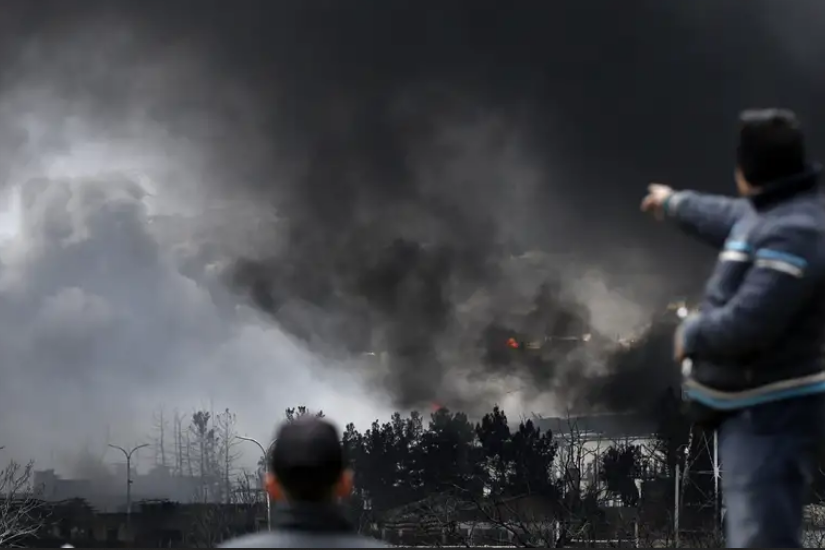
Tehran (ISNA) - According to the official report from the Public Relations Department of the Department of Environment, Hamid Zohrabi, the Deputy Head for Natural Environment and Biodiversity, detailed the extensive damages inflicted upon the country's natural habitats by the third imposed war. Zohrabi noted that while late-winter and spring rainfalls had initially promised a highly favorable and rejuvenating year for the environment, the subsequent enemy attacks and military conflict imposed severe, widespread structural damage and destruction upon the nation's fragile natural landscapes.
The senior official underscored Iran's unique global standing regarding ecological wealth, reminding that the country serves as the critical junction connecting two of the world’s major biodiversity hotspots. Consequently, Iran ranks among the top nations globally in terms of biological significance, hosting 13 global biosphere reserves, 26 international wetlands registered under the Ramsar Convention, and two UNESCO world natural heritage sites. Furthermore, scientists have formally identified and documented over 54,000 species of plants, animals, fungi, and bacteria across the country's diverse terrains.
Detailing the most critical consequences of the military conflict on the environment, the deputy head highlighted massive forest and rangeland wildfires, including the devastating blazes that erupted in the aftermath of the previous 12-day war. He further identified the long-term release of persistent organic pollutants into the natural cycle, alongside the hazardous accumulation and bioaccumulation of these toxins within animal tissues and the broader food chain, as catastrophic outcomes of the hostilities. Zohrabi issued a stark warning that some of these chemical and industrial pollutants will remain deeply embedded in the soil and water systems for more than 30 years, severely disrupting vital ecosystem services.
Concluding his assessment, Zohrabi emphasized the profound indirect impacts of warfare, particularly severe acoustic pollution caused by military machinery and explosions. He warned that such widespread noise pollution acts as a severe stressor that disrupts wildlife reproductive cycles, alters the natural behavior of native animals, misleads migratory species away from their historic paths, and causes forced, erratic population displacements across habitats.
Source : isna

The best of Tired Earth delivered to your inbox
Sign up for more inspiring photos, stories, and special offers from Tired Earth
By signing up for this email, you are agreeing to news, offers, and information from Tired Earth. Click here to visit our Privacy Policy.







Comment
Reply