



18 Mar 2026

Tired Earth
By The Editorial Board
humanitarian supply chains are facing unprecedented pressure—potentially the most severe since the COVID-19 pandemic and the 2022 war in Ukraine.
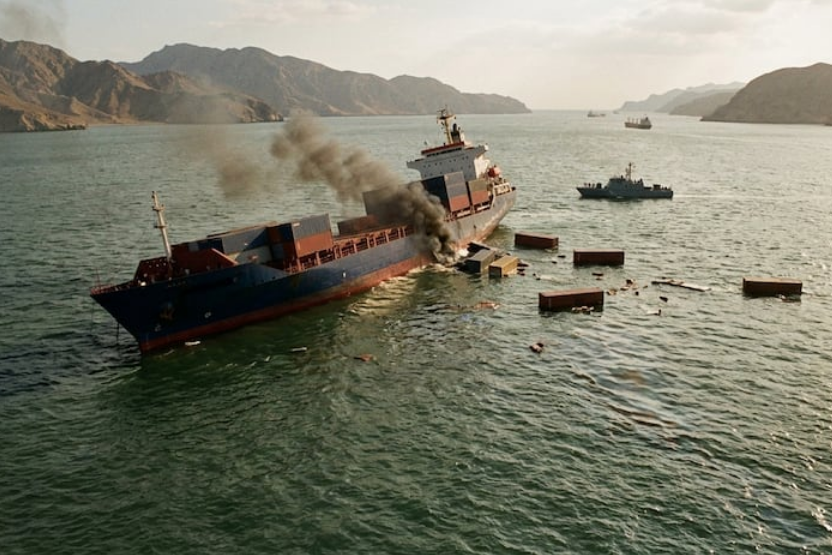
The United Nations has warned that the repercussions of the war in the Middle East are now extending beyond the region, striking at the core of the global food system. Severe disruptions to supply chains and rapidly rising agricultural production costs threaten to push millions more people into hunger, UN officials in Geneva said.
The World Food Programme (WFP) stated that humanitarian supply chains are facing unprecedented pressure—potentially the most severe since the COVID-19 pandemic and the 2022 war in Ukraine. Relief operations are increasingly affected by shipping delays and sharply rising costs, driven by higher fuel prices and disrupted trade routes.
Speaking at a press conference in Geneva, Carl Skau, WFP Deputy Executive Director, said shipping costs have already increased by around 18 percent. This surge is limiting the ability of humanitarian agencies to procure food or provide cash assistance, even as the number of people affected by conflicts and economic crises continues to grow.
At the same time, the Food and Agriculture Organization (FAO) warned that the war is driving up global fertilizer prices due to supply disruptions and rising energy costs. This trend is expected to increase agricultural production costs and directly impact food prices worldwide.
According to UN data, nearly a quarter of global fertilizer trade passes through the Strait of Hormuz, which is currently experiencing significant disruptions. This is adding further strain to agricultural markets, particularly as planting season approaches in large parts of sub-Saharan Africa.
The UN also cautioned that a prolonged crisis could lead to a decline in remittances from workers in Gulf countries to their home nations. Such a drop would reduce household incomes in developing economies and compound the effects of rising food and energy prices.
The World Food Programme warned, through Carl Skau, that if the war continues through mid-year, up to 45 million additional people could be pushed into acute hunger, potentially driving global hunger levels to unprecedented highs.
According to UN assessments, these developments confirm that the crisis is no longer confined to energy markets but is rapidly spreading to global food security. The convergence of war, rising costs, and supply chain disruptions is raising fears of a new wave of economic and humanitarian strain worldwide.
Photo: made by AI, foodnavigator.com

The best of Tired Earth delivered to your inbox
Sign up for more inspiring photos, stories, and special offers from Tired Earth
By signing up for this email, you are agreeing to news, offers, and information from Tired Earth. Click here to visit our Privacy Policy.




Comment