


08 Nov 2026

Tired Earth
By The Editorial Board
Earthquakes, floods and typhoons: faced with growing natural disaster risks, Japan is considering establishing a secondary capital to ensure government continuity if Tokyo is struck by a major catastrophe. This initiative aims to strengthen the country's resilience and reduce its dependence on a single metropolitan area.
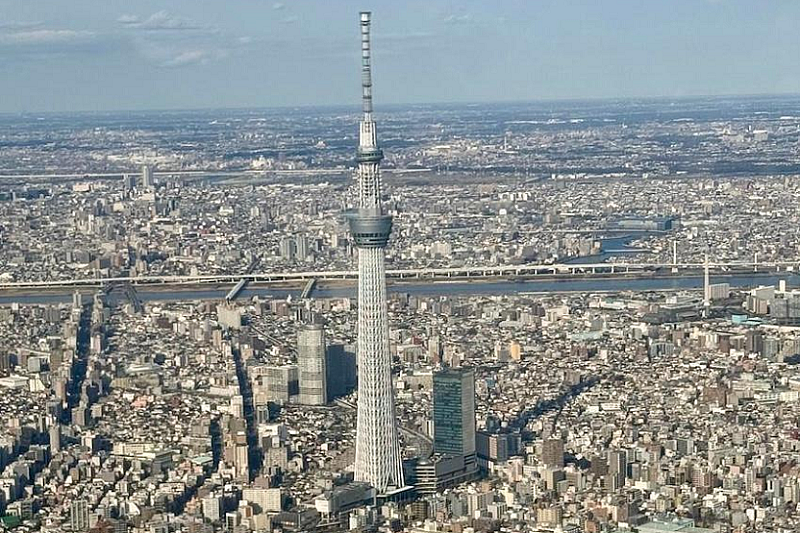
Japan is particularly exposed to natural disasters because of its geographical location along the Pacific Ring of Fire, an area characterised by intense tectonic activity. Earthquakes, tsunamis and volcanic eruptions regularly threaten the archipelago.
According to Le Parisien's report on the risks facing Tokyo, there is an estimated 70% probability of a magnitude-7 earthquake striking the Tokyo metropolitan area within the next 30 years. The capital is also exposed to typhoons, floods and potential risks associated with an eruption of Mount Fuji.
Tokyo concentrates a large proportion of Japan's political, economic and administrative activities. A major disaster could therefore seriously disrupt the country's institutions and economy.
The objective is to distribute essential government functions across different regions, ensuring that public services can continue operating even during a major crisis.
The project became official with the adoption of legislation in July 2026, aimed at ensuring the continuity of national functions and establishing a secondary capital.
In its article about the reform, Le Japon et moi explains the Japanese government's ambitions. The plan involves developing infrastructure capable of temporarily hosting government departments and essential services if Tokyo becomes inaccessible.
Several cities are potential candidates:
Osaka: Japan's second-largest metropolitan area, with major economic and administrative infrastructure.
Nagoya: An important industrial and logistics centre.
Sapporo: Located on the northern island of Hokkaido.
Fukuoka: Situated on the island of Kyushu, in southwestern Japan.
As reported by CATNAT.net in its analysis of the project, the government has also established demographic and economic criteria to identify suitable locations. The final selection is expected after 2027.
Beyond national security, this initiative raises important environmental issues. The concentration of populations, infrastructure and economic activities in a single metropolitan area increases a region's vulnerability to natural disasters.
Establishing a secondary capital could encourage more balanced regional development by attracting investment and economic activity to other parts of Japan. It could also improve the distribution of strategic infrastructure and reduce the country's dependence on Tokyo.
However, decentralisation must be accompanied by environmental planning. Constructing new administrative buildings, transport networks and digital infrastructure could increase resource consumption and put additional pressure on natural spaces.
Renovating existing facilities, promoting sustainable construction and protecting ecosystems will therefore be essential to ensure that disaster prevention does not create new environmental problems.
Through this initiative, Japan is seeking to rethink its territorial organisation in response to growing natural disaster risks. A backup capital would not simply provide an alternative location for government institutions; it would represent a broader approach to disaster prevention and crisis management.
As natural hazards continue to threaten communities around the world, Japan demonstrates the importance of anticipating disasters rather than simply reacting to them. However, for this strategy to be truly sustainable, national security must go hand in hand with responsible urban planning and environmental protection.
Source : News agencies
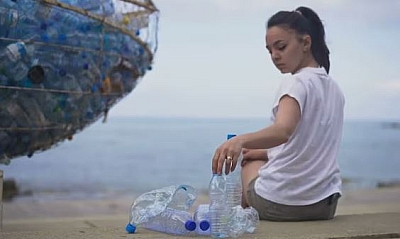
Plastic Pollution in Cameroon and Africa Plastic Pollution in Cameroon and Africa

The best of Tired Earth delivered to your inbox
Sign up for more inspiring photos, stories, and special offers from Tired Earth
By signing up for this email, you are agreeing to news, offers, and information from Tired Earth. Click here to visit our Privacy Policy.

Comment