



10 Mar 2026

Tired Earth
By The Editorial Board
The International Atomic Energy Agency (IAEA) has confirmed that the Natanz nuclear facility, one of Iran’s most critical nuclear sites, has been struck in a military attack. In a chilling warning, IAEA Director-General Rafael Grossi emphasized that a potential radiological release cannot be ruled out, marking the conflict’s most perilous turning point to date.
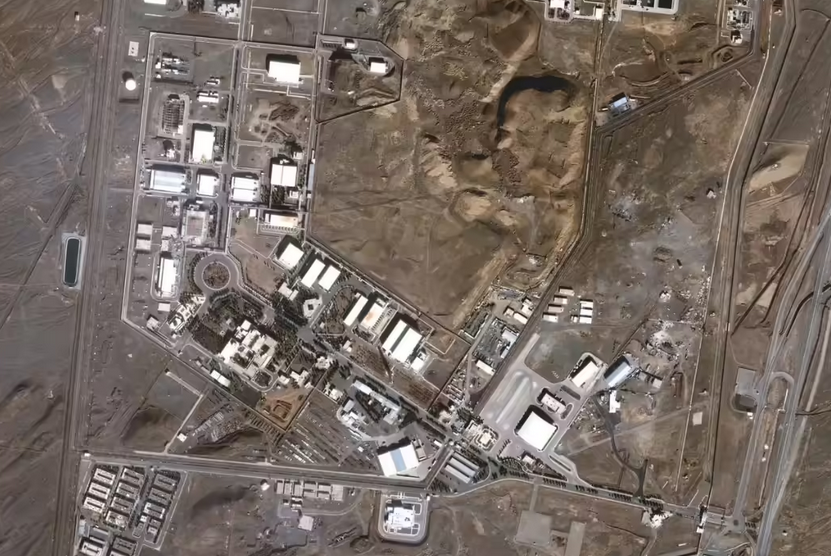
Grossi outlined the grave nuclear security risks posed by the ongoing conflict. “Nuclear power plants and nuclear research reactors in Iran and other countries in the region are being targeted by military attacks, in addition to fuel storage sites linked to them, which significantly increases the nuclear security threat,” he stated.
The Natanz facility, home to advanced uranium enrichment, has long been a focal point of international concern due to its critical role in Iran's nuclear program. The airstrike on the plant has sparked fears of radiation exposure not just for Iran, but for surrounding regions as well.
Severe Health and Environmental Risks
While the full extent of the damage is still being evaluated, Grossi stressed the possible consequences of such an attack. “The situation is deeply concerning,” he remarked. “We cannot exclude the possibility of a radiological leak, which could have severe and far-reaching consequences.” Grossi highlighted that such a release could result in the need to evacuate areas the size of major cities or even larger regions, adding that the fallout from such an incident would be catastrophic for both public health and the environment.
A New Phase in the Conflict
The attack on Natanz marks a dangerous new phase in the war. Already, Iran’s nuclear ambitions have been a point of contention among world powers, and this escalation raises the stakes significantly. With the potential for radioactive contamination now on the table, the conflict has transcended conventional military strikes, reaching into the realm of nuclear disaster.
Experts are monitoring the situation closely as they assess the immediate threat of radiation leaks. While early reports suggest that a radiological release has not yet occurred, the IAEA’s warning sends a stark message: the situation remains volatile and could spiral into a full-scale environmental catastrophe at any moment.
International Reactions and Escalation Concerns
The international community has voiced growing alarm over the attack, with calls for an immediate halt to further military actions around nuclear facilities. The attack on Natanz not only endangers Iran’s nuclear infrastructure but also poses a severe threat to regional stability. With military strikes now targeting nuclear sites, the risk of further escalation, including more attacks on critical infrastructure, has heightened.
As Grossi concluded, the unfolding situation requires urgent attention. “The need for a coordinated international response is greater than ever,” he said. “The potential for irreversible damage to both the environment and human health is immense, and it is critical that all parties involved exercise extreme caution.”
As the Iran war enters its tenth day, the stakes could not be higher. The world watches as the conflict edges closer to a nuclear catastrophe — a crisis that could have global repercussions far beyond the borders of the Middle East.

The best of Tired Earth delivered to your inbox
Sign up for more inspiring photos, stories, and special offers from Tired Earth
By signing up for this email, you are agreeing to news, offers, and information from Tired Earth. Click here to visit our Privacy Policy.


Comment