



11 May 2026

Tired Earth
By The Editorial Board
As the climate emergency dictates an immediate technological shift, the global steel industry is doubling down on fossil fuels. A new report from Global Energy Monitor (GEM) reveals that coal-based blast furnace investments have surged by 5% this year, stalling the "green transition." Investigation into a sector responsible for nearly 10% of global CO2 emissions.
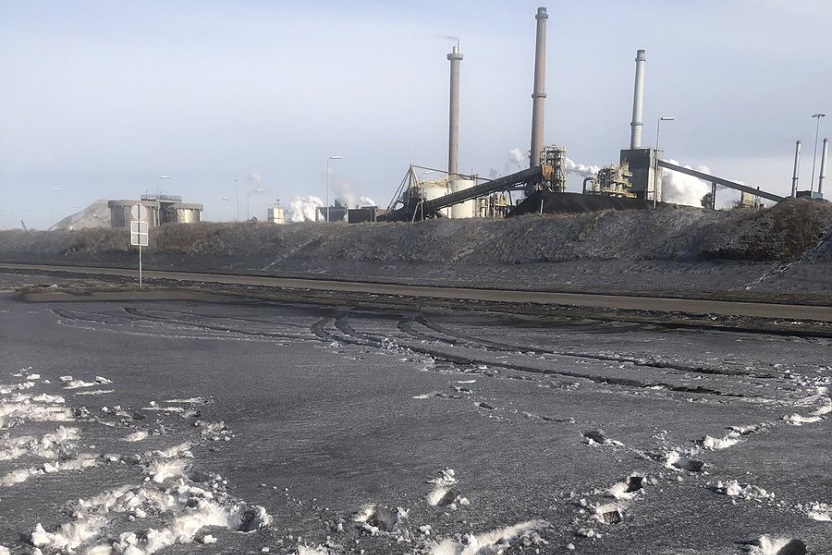
Executive Summary: A "Timid" Transition Amidst Climate Emergency
Despite global climate pledges demanding radical decarbonization, global steel production remains on an alarming path. According to the latest annual report from the NGO Global Energy Monitor (GEM) released this Monday, the global steel industry is "doubling down on coal." Increasing blast furnace production capacity is jeopardizing hopes for carbon neutrality by 2050.
Alarming Findings: The "Transformation Gap" Data
Despite the rhetoric surrounding green steel, the industrial reality is far bleaker. Data compiled by experts reveal a profound disconnect between investment and ecological imperatives:
Growing Capacity: Approximately 319 million tonnes per annum (mtpa) of new coal-based capacity has either been announced or is under construction, a 5% increase over the previous year (Source: MSN).
Massive Emissions: Steel production remains responsible for 7% to 9% of direct global greenhouse gas emissions (Source: Le Figaro).
Green vs. Coal Imbalance: Planned capacity for coal-based blast furnaces is now 2.5 times greater than planned primary green iron and steel projects.
Industrial Giants Lagging Behind
The investigation highlights a glaring lack of ambition among sector leaders. As reported by Le Monde, only one-third of the world’s top 50 steel producers have set net-zero targets for 2050.
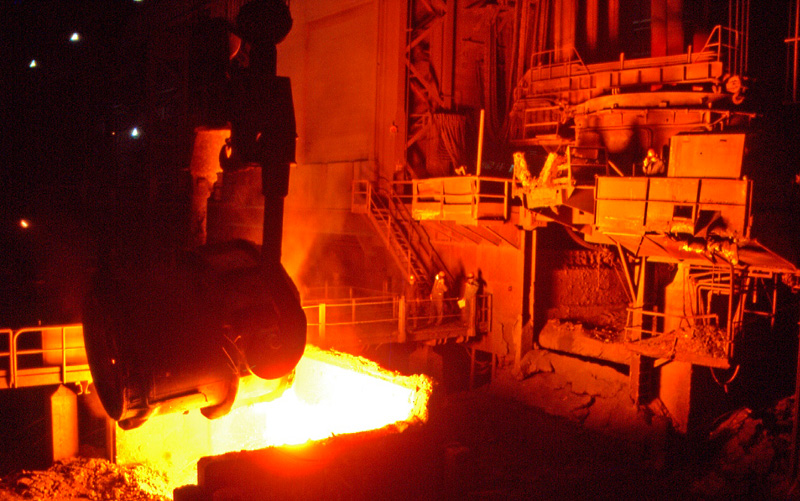
"Continued investments in new coal-based steelmaking capacity and the planned relining of blast furnaces to extend their operations threaten the industry's clean transition," the NGO report warns. This "relining" practice extends the life of polluting structures for decades, effectively locking in massive CO2 emissions for the future.
Dark Outlook
To align with the International Energy Agency’s (IEA) "Net Zero" scenario, heavy industry emissions must drop by 93%. However, the acceleration of projects in Asia and the slow pace of financing for hydrogen technologies or electric arc furnaces keep the sector in what MSN describes as a "timid green transition."
Source : News agencies

The best of Tired Earth delivered to your inbox
Sign up for more inspiring photos, stories, and special offers from Tired Earth
By signing up for this email, you are agreeing to news, offers, and information from Tired Earth. Click here to visit our Privacy Policy.


Comment