


01 Apr 2026
Tired Earth
By The Editorial Board
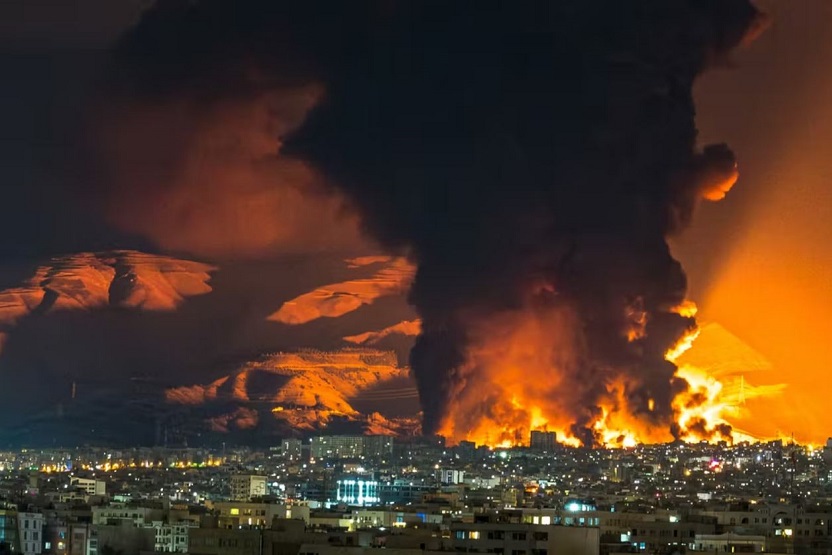
As the U.S.-led coalition and Israel war on Iran enters a devastating new phase this April 2026, experts warn that the world is facing a "cascading collapse" of environmental and health systems. Beyond the immediate carnage of the battlefield, the conflict has ignited a series of global crises that threaten to outlast the war itself.
Environmental Ecocide in the Gulf
The Persian Gulf, one of the world's most fragile marine ecosystems, is currently the site of an unprecedented ecological disaster. Targeted strikes on oil refineries and offshore platforms have resulted in massive slicks, with millions of barrels of crude oil hemorrhaging into the sea.
Environmental agencies report that the destruction of desalination plants has not only cut off drinking water for millions but has also disrupted the salinity levels of the Gulf, threatening 40% of local marine species with extinction. Furthermore, "black rain"—a toxic mix of soot and chemical residues from burning oil wells—has been reported as far as the Himalayas, poisoning agricultural soil and water basins across Central Asia.
A Climate Goal in Ashes
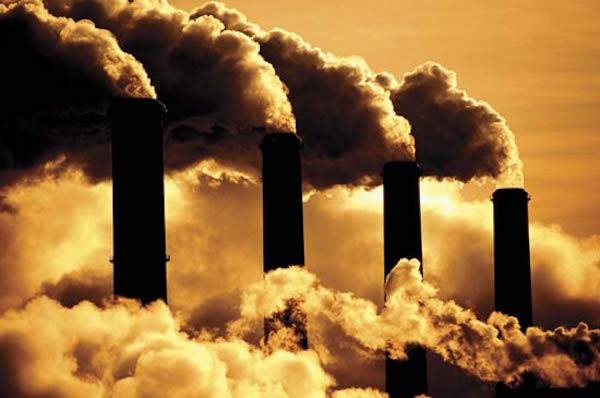
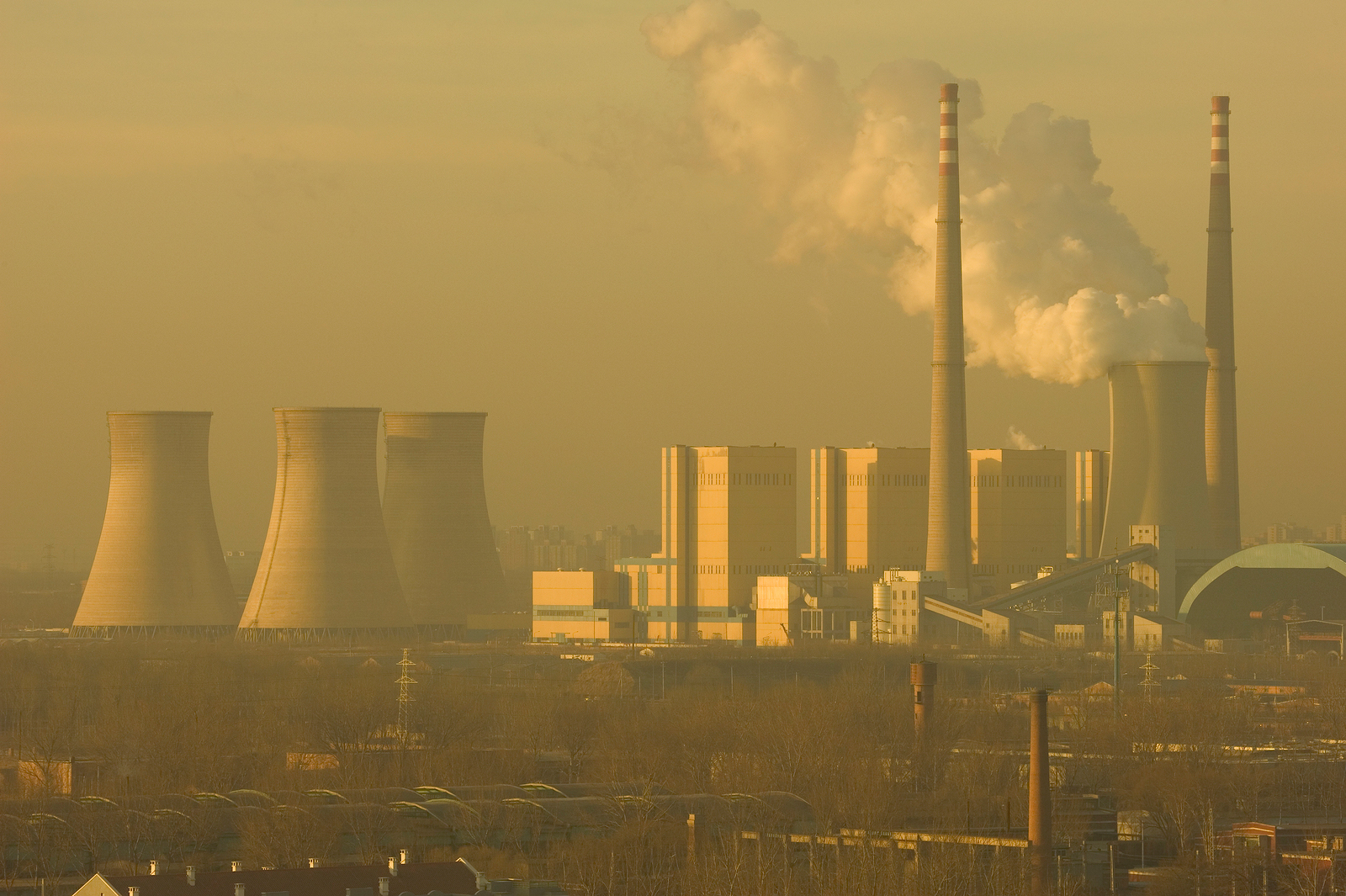
The war has effectively derailed global climate commitments. The massive carbon footprint of large-scale military mobilizations, combined with the release of potent methane clouds from damaged pipelines, has led to a record-breaking spike in greenhouse gas emissions.
"We are seeing ten years of climate progress incinerated in weeks," says a spokesperson for the UN Environmental Programme. With the Strait of Hormuz blocked, the sudden shift back to coal and heavy heating oils in Europe and Asia to compensate for energy shortages is pushing the 1.5°C global warming limit into the realm of impossibility.
The Health Crisis: A Silent Killer
The humanitarian toll is no longer confined to the blast zones. In Iran and neighboring Iraq, the destruction of medical infrastructure has triggered a resurgence of preventable diseases. Cholera outbreaks have been confirmed in refugee camps due to the lack of clean water.
Globally, the "War Inflation" is creating a secondary health crisis. As the cost of logistics skyrockets, the supply chains for essential medicines—including insulin and vaccines—have fractured. In developing nations, the price of basic antibiotics has tripled, leaving millions without access to life-saving care.
Moreover, the "toxic plumes" from bombarded industrial zones in Iran are carrying heavy metals and carcinogenic particles across borders. Respiratory ailments are surging across the region, with health officials warning of a long-term "cancer shadow" that will haunt the population for decades.
As the international community calls for an immediate ceasefire, the message from scientists is clear: the environment and human health do not recognize borders, and the cost of this war is being billed to the entire planet.

The best of Tired Earth delivered to your inbox
Sign up for more inspiring photos, stories, and special offers from Tired Earth
By signing up for this email, you are agreeing to news, offers, and information from Tired Earth. Click here to visit our Privacy Policy.


Comment