


22 Aug 2026

Tired Earth
By The Editorial Board
According to provisional figures from Santé publique France, more than 7,300 excess deaths were recorded during the heatwaves between late May and July 22. The figure is expected to rise, as it does not yet fully reflect the impact of the heatwave that occurred in late July and August.
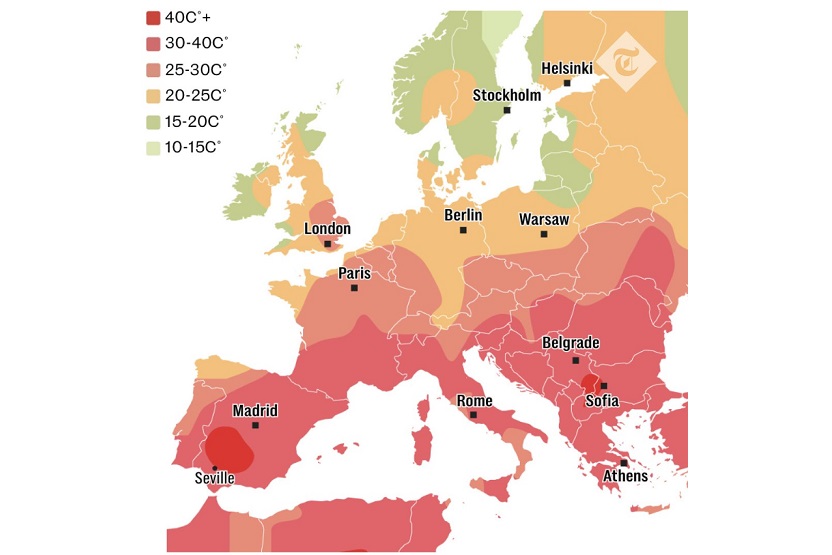
France’s intense summer heat has already resulted in a significant increase in mortality. According to provisional figures from Santé publique France, more than 7,300 excess deaths were recorded during the heatwaves between late May and July 22. The figure is expected to rise, as it does not yet fully reflect the impact of the heatwave that occurred in late July and August.
The health impact of extreme heat is particularly severe for vulnerable people. As Le Monde reported in its investigation into heatwaves and chronic diseases, people suffering from cardiovascular, kidney or psychiatric conditions can be especially exposed. Dehydration and prolonged high temperatures can aggravate existing conditions, while some medications can also increase sensitivity to heat.
The impact is visible at the local level as well. In Loire-Atlantique, 10% to 25% more deaths than usual were recorded during twenty days in July, according to Ouest-France. Such figures describe excess mortality — deaths above the number normally expected — and cannot automatically mean that every additional death was directly caused by heat.
Housing conditions are another important factor. An investigation published by Actu Orange highlights how poorly adapted homes can become dangerous heat traps during heatwaves. People living in poorly insulated or overheated buildings may have difficulty escaping the heat, particularly older people and other vulnerable residents.
However, the relationship between temperature and mortality is more complex than simply comparing deaths from heat and cold. Contrepoints points out that, over the long term, cold temperatures are associated with more deaths than heat in France. This does not diminish the health consequences of extreme heat, but places the current heatwave mortality figures within a broader picture of temperature-related mortality.
The latest figures nevertheless underline the growing health risks posed by increasingly intense heatwaves. France has already experienced one of its deadliest summers since the 2003 heatwave, while the final mortality toll for 2026 has yet to be established.
As extreme heat becomes more frequent and intense, adapting homes, healthcare systems and cities to high temperatures is becoming an increasingly urgent public-health challenge.
Source : News agencies

The best of Tired Earth delivered to your inbox
Sign up for more inspiring photos, stories, and special offers from Tired Earth
By signing up for this email, you are agreeing to news, offers, and information from Tired Earth. Click here to visit our Privacy Policy.




Comment