



21 Feb 2026

Tired Earth
By The Editorial Board
Published February 18, 2026 by Elizabeth Brion, peta.org
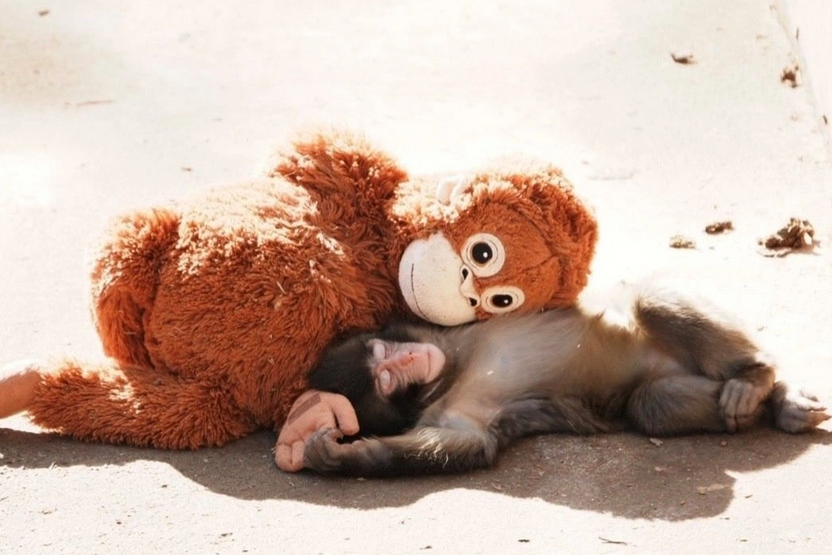
Inside a concrete enclosure at Ichikawa City Zoo in Japan, a six-month-old baby macaque named Punch clings to a stuffed orangutan. He drags it across the floor, presses it against his chest, and even curls up inside a cinderblock, holding it as if it’s the only source of comfort he has.
Unprecedented lines are forming at the facility as visitors swarm to get a glimpse of this lonely macaque—but what audiences are witnessing isn’t charming or cute. It’s a window into the complex emotional life of a young monkey coping with loss, rejection, and painful isolation.
Punch isn’t the first exploited animal to become an unwilling social media star—and we’ve seen how this kind of attention can cause even more harm to the animals themselves. Remember Moo Deng? In 2024, the baby pygmy hippo became a global sensation, inspiring paintings, sculptures, mass-produced shirts, hats, bumper stickers, and even SNL skits—but her life at an unaccredited Thai zoo was far from glamorous. Rowdy crowds shouted and threw objects at her all day long. She had nowhere to hide and barely enough water to swim in. When the online hype died down, so did the lines to her enclosure—but she was still trapped in the same barren pit.
Our fellow primates are intelligent, deeply social, and emotionally rich. In their native forest homes, macaques live in large, tightly knit groups, forming intricate social bonds through grooming, play, and cooperative foraging. Infants stay with their mothers for about a year, learning how to survive and establish lifelong relationships. These behaviors are essential to macaques’ emotional and psychological well-being, not optional extras for humans to gawk at.
Facilities that exploit animals love using babies like Punch to boost ticket sales—but this fleeting exposure only comes at the animals’ expense. The constant barrage of noisy visitors trying to snap photos or provoke a reaction is extremely stressful for the animals, and in Punch’s case, it can further interfere with his already difficult process of integrating with the other monkeys.
Just like Moo Deng, the public will eventually lose interest in Punch—and he’ll likely spend the rest of his life in a bleak enclosure. Even if Punch bonds with other monkeys at Ichikawa City Zoo, he will never experience freedom in his natural habitat, where he would be climbing, foraging, and exploring a vast, lush forest.
Punch doesn’t need viral fame—he needs peace. If Ichikawa City Zoo truly wanted to help animals, it could start by protecting the habitats of local species, leading rewilding projects, and supporting meaningful conservation efforts instead of profiting off a vulnerable animal’s pain.
If you actually want to support animals like Punch, share this page and stay away from any tourist trap that confines animals:
Source : peta.org

The best of Tired Earth delivered to your inbox
Sign up for more inspiring photos, stories, and special offers from Tired Earth
By signing up for this email, you are agreeing to news, offers, and information from Tired Earth. Click here to visit our Privacy Policy.





Comment