


21 Apr 2026

Tired Earth
By The Editorial Board
As global climate models predict an exceptionally strong El Niño event for the winter of 2026, experts are raising alarms about the far-reaching consequences of this meteorological phenomenon. With some calling it a "Godzilla" El Niño, this year’s event is expected to be one of the most intense in recent memory, potentially exacerbating extreme weather conditions, escalating global energy crises, and intensifying environmental disruptions across the globe.
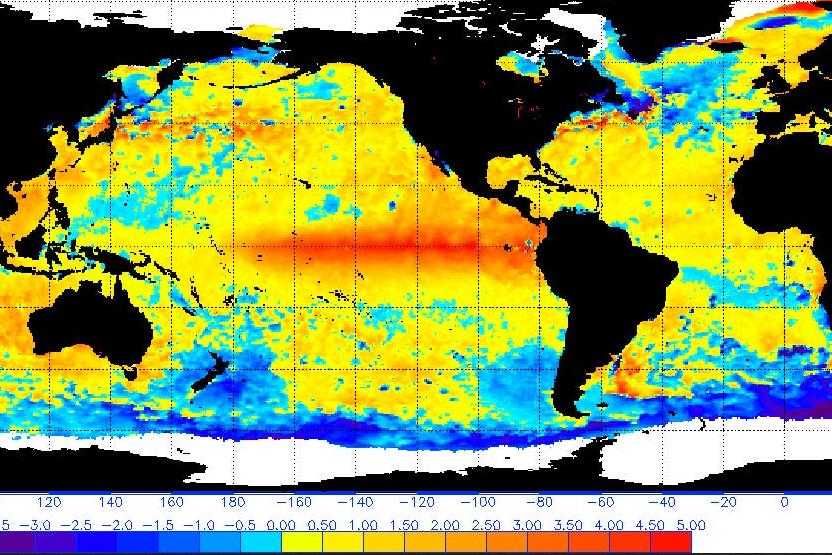
El Niño, which translates to "the Christ Child" in Spanish, refers to the natural climate phenomenon that occurs when the waters of the tropical Pacific Ocean warm significantly. Under normal conditions, trade winds push warm waters westward. However, during an El Niño, these winds weaken or reverse, allowing warm waters to spread eastward and disrupting weather patterns around the world. This year, meteorologists are predicting a particularly severe event, with ocean temperatures expected to rise above 1.5°C for an extended period—a hallmark of a powerful El Niño.
The effects of this phenomenon are wide-ranging. Historically, El Niño has been associated with stronger than average rainfall in California, which can lead to devastating floods, massive swells on the coast, and the destruction of infrastructure. However, as climate change progresses, these events are becoming increasingly unpredictable, and their global impact is felt beyond just weather extremes.
California’s Storm Surge: Rising Risk Along the Coast
In regions such as California’s Central Coast, the expected "Godzilla" El Niño poses particular risks. High surf, unusual storm patterns, and rising ocean levels are all on the table for the upcoming winter. While earlier El Niño events in 1982-1983 and 1997-1998 led to catastrophic flooding and infrastructure damage, it is still unclear whether this year will match or exceed those levels. The phenomenon also impacts marine ecosystems, disrupting the migration patterns of fish and altering oceanic currents that fishermen and coastal communities rely on.
Local experts recall how previous El Niño events dramatically altered wave patterns, particularly along the coast where high surf waves can come from the south, rather than the northwest. This variation in wave direction has been linked to severe coastal erosion and damage to piers that are otherwise protected by their usual positioning.
The Global Energy Crisis Intensified by El Niño
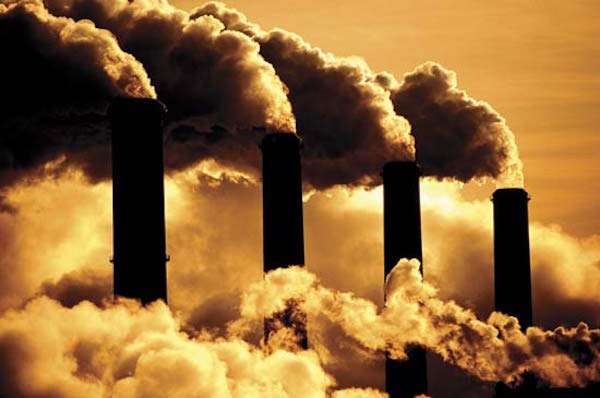
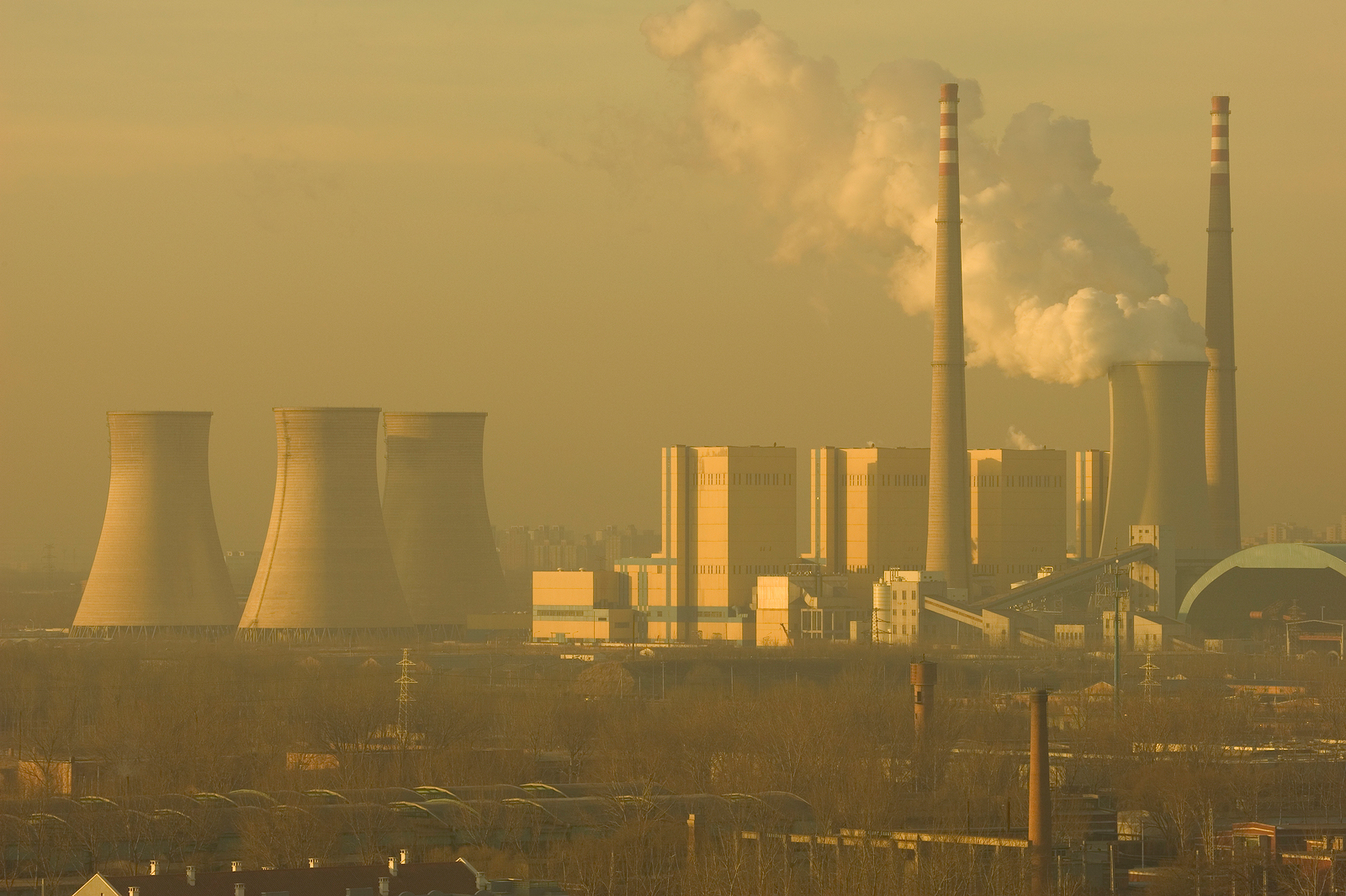
The effects of this El Niño event could extend far beyond California’s coast, affecting global energy markets. According to scientists from China’s National Climate Center, El Niño conditions are set to exacerbate the ongoing global fossil fuel crisis, particularly in areas that rely heavily on hydropower. Countries in South Asia, Southeast Asia, and parts of Africa could see increased pressure on their energy systems, as drought conditions brought on by El Niño reduce the capacity of hydropower plants. This could force nations to turn to oil and gas, driving up fossil fuel demand and further intensifying carbon emissions.
A strong El Niño can increase evaporation rates due to higher temperatures, making droughts more severe and prolonged. Conversely, when the accumulated moisture condenses, it can lead to intense storms and flooding. As a result, the interplay of rising energy demand, more frequent weather disruptions, and rising fossil fuel consumption creates a vicious cycle that could compound the global climate crisis.
Historical Impact: Learning from the Past
The last major El Niño event occurred in 2015-2016, and though it was one of the strongest in recent history, the predicted 2026 event could surpass it in both severity and duration. Historically, these events have had major consequences on global agriculture, water resources, and public health, as evidenced by catastrophic flooding, infrastructure collapse, and the displacement of communities.
This year, the challenge of predicting the extent of these disruptions is even more pressing. Climate change is already pushing the boundaries of what was once considered "normal," and the effects of El Niño could significantly amplify these trends. For instance, earlier this year, temperatures set new global records, and with El Niño, this trend is expected to continue, potentially causing further strain on already vulnerable regions.
The Road Ahead: Preparing for Uncertainty
While experts caution that it is too early to definitively say this El Niño will be the strongest in 140 years, the evidence suggests that the risks of an intensified climate emergency are rising. Researchers emphasize that governments, businesses, and individuals must prepare for a range of potential outcomes—ranging from severe droughts to flooding, increased energy costs, and global economic pressures.
In the coming months, experts urge the public to stay informed, follow local warnings, and prepare for more unpredictable weather. The "Godzilla" El Niño is coming—and with it, a reminder of just how interconnected our climate systems are, and how the challenges of today can intensify tomorrow.
As we brace for the impending shifts in global weather patterns, all eyes will be on the Pacific Ocean and the ever-changing currents of our climate. Whether this El Niño is as catastrophic as some predict remains to be seen—but with every sign pointing to greater volatility, it is crucial to take action now.

The best of Tired Earth delivered to your inbox
Sign up for more inspiring photos, stories, and special offers from Tired Earth
By signing up for this email, you are agreeing to news, offers, and information from Tired Earth. Click here to visit our Privacy Policy.




Comment