



14 Feb 2026

Tired Earth
By The Editorial Board
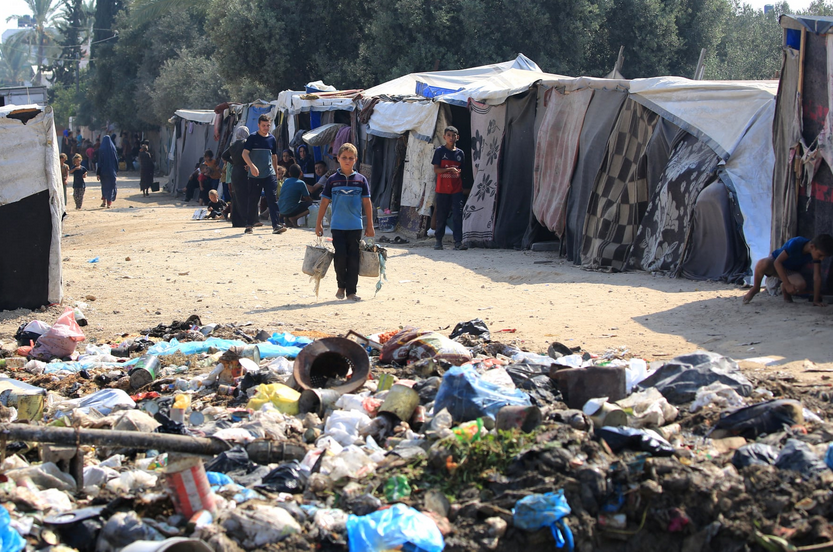
In a recent report, environmental experts have sounded the alarm about the worsening environmental situation in Gaza, where the impact of ongoing conflict and the destruction of essential infrastructure have led to a dire situation for residents. According to experts, the environmental damage in Gaza is not only affecting the lives of its people but also exacerbating the already severe public health and humanitarian crisis.
Severe Contamination of Water and Waste Management Systems
According to Al Jazeera, the Director of the Water and Environmental Quality Authority in Gaza, Mazzen Al-Banna, highlighted the extensive damage to the region's water and sanitation infrastructure caused by the war, which has left between 80-90% of the water facilities destroyed. This includes the destruction of wells, pumping stations, sewage networks, and water treatment plants, which has drastically reduced the availability and quality of water for residents.
Al Banna further explained that water availability for residents has dropped to less than 20 liters per person per day, compared to 100 liters before the conflict, and much of the water available no longer meets international health standards. The situation is compounded by the contamination of groundwater, soil, and marine environments, largely due to sewage leaks and the pollution from war-related debris, including explosives.
Critical Need for Environmental Assessment and Reconstruction
The report also reveals that environmental experts are calling for an urgent and comprehensive environmental assessment in Gaza, particularly concerning groundwater contamination. Experts stress the importance of immediate measures to restore Gaza’s sewage treatment and water systems, and to address the contamination of soil and marine ecosystems, which threaten both public health and the environment.
Experts like Saeed Al-Aklouk, an environmental specialist, emphasized that addressing Gaza's water crisis requires the rehabilitation of over 200 destroyed wells and the reconstruction of water distribution networks. However, the lack of proper lab facilities and specialized equipment for testing the water has made it difficult to assess the full extent of contamination, especially regarding harmful chemicals and war-related debris.
The report also highlighted the risk posed by the contamination of Gaza’s aquifer, as wastewater and toxic substances from explosives seep into the underground water sources, further complicating the region's recovery.
The Threat of Disease and the Need for International Support
As Al Jazeera reports, the ongoing pollution crisis in Gaza has left the region vulnerable to the spread of epidemics. With the destruction of sewage treatment plants and wastewater systems, untreated sewage continues to flow into the streets and surrounding areas, heightening the risk of waterborne diseases. Environmental experts have warned that without comprehensive intervention and international support, the spread of infectious diseases will significantly worsen, especially among the most vulnerable populations.
Al-Aklouk warns that the persistence of war debris and explosive remnants near refugee camps, coupled with untreated wastewater, presents a direct threat to public health and the environment. He emphasized the urgent need for a concerted international effort to provide technical and financial assistance to rebuild Gaza’s environmental and water systems before the situation becomes unmanageable.
A Call for Immediate Action and International Assistance
The report underscores the gravity of Gaza’s environmental crisis and the urgent need for international action to address the catastrophic effects of war on the region's infrastructure. Without substantial support, both humanitarian and environmental, Gaza will continue to face worsening conditions, with dire consequences for both the health of its residents and the region’s ecological stability. The environmental damage in Gaza is not just a local issue; it has far-reaching consequences that require swift and decisive global intervention.
Source : Aljazeera

The best of Tired Earth delivered to your inbox
Sign up for more inspiring photos, stories, and special offers from Tired Earth
By signing up for this email, you are agreeing to news, offers, and information from Tired Earth. Click here to visit our Privacy Policy.




Comment
Reply