


27 Nov 2026

Tired Earth
By The Editorial Board
Three years of war have left behind far more than rubble. According to international experts and an Oxfam report published on Monday, the territory has become a poisoned land: concrete dust, heavy metals, sewage, unexploded ordnance and decaying waste are contaminating the air, soil, water and even the wounds of the injured.
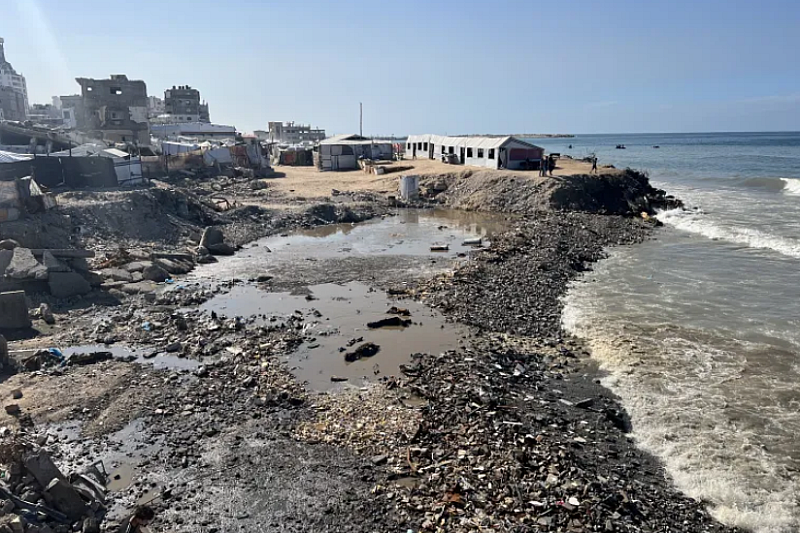
On Monday, Oxfam published a report entitled Environmental War Crimes: How Israel's Military Assault Has Turned Gaza into Toxic Land, Threatening Human Survival. It concluded that Israeli military operations have deliberately undermined the foundations of life and transformed Gaza into poisoned land.
See also:
A Crime Against the Environment: Gaza’s Rubble Could Generate 90,000 Tons of Emissions
A Threat Lasting Decades: Environmental Pollution and War Debris Haunt Gazans
According to Wim Zwijnenburg, an expert on the environmental consequences of warfare at the Dutch peace organisation PAX, the Gaza Strip has experienced destruction on an enormous scale, affecting both residential and industrial areas. This has released vast quantities of dust from cement and construction materials, posing an acute health risk when inhaled.
Speaking to Al Jazeera, he added that these particles can become airborne again during rubble removal and cleanup operations, creating additional health risks for residents, particularly when they inhale contaminated dust. Teams have also observed wounds contaminated by dust and other toxic substances. These materials can enter the wounds of injured people, contribute to antimicrobial resistance and have wider consequences for public health.
He called for on-the-ground soil testing and for access to be granted to United Nations agencies and independent experts so that the extent of the contamination can be established. Reports published over the past two years by Oxfam and other humanitarian organisations have documented multiple sources of pollution involving hazardous and toxic substances, particularly at displacement camp sites, around water points, and as a result of the spread and burning of solid waste.
He also advocated beginning remediation work in the most severely affected and polluted areas to make them safe again, allow residents to return, restore land for agricultural use, and remove the toxic waste and hazardous materials left behind by the war.
On the legal front, the expert was unequivocal: Israel is responsible for the cleanup and remediation as the “party that caused the damage, responsible for the destruction of Gaza and its environment, and for the ongoing genocide”.

Toxic waste leachate seeping into groundwater poses environmental and health risks to the people of Gaza (Al Jazeera)
Martin Butcher, Oxfam's Senior Global Policy Adviser, pointed out that three years of bombardment and military operations have destroyed civilian, agricultural and industrial facilities, as well as water treatment plants, releasing toxic materials and allowing sewage to flow into the environment.
Speaking to Al Jazeera, he said that 99% of the Gaza Strip's land area has been affected in one way or another. He stressed the need to end impunity for attacks on water infrastructure, conduct studies to identify and remove pollutants, provide medical treatment to affected populations, and ensure that Palestinians lead the recovery and reconstruction process.
Lama Abdel Samad, Oxfam's water and sanitation specialist, explained that Israel's war has left approximately 61 million tonnes of rubble, potentially containing explosive residues, heavy metals and organic pollutants. She warned that these substances can spread into the air, water, soil and food supply, while pointing out that laboratory testing to determine their concentrations remains impossible.
The specialist confirmed that levels of faecal bacterial contamination increased tenfold during the war. Approximately 81,000 cases of acute watery diarrhoea were recorded in January and February 2026, half of them among children under five, amid Israeli restrictions on the entry of water purification equipment.
She also cited nearly 1.9 million cases of respiratory illness since the beginning of the war, the death of a child from lead poisoning following exposure to battery components, and warned that the health consequences of pollution are likely to worsen.
Residents of Gaza could face cancer, heart, liver and kidney diseases, as well as developmental disorders in children, for many years to come, she said. Workers involved in rubble removal and the repair of sanitation networks are among those facing the greatest exposure.
The Oxfam report, produced in collaboration with the Conflict and Environment Observatory (CEOBS) and based on data collection and satellite imagery, indicates that Israeli ground military operations have affected approximately 283 square kilometres, or 78% of the Gaza Strip's total area. When all sources of pollution are taken into account, evidence of at least one potential source of contamination can be found across more than 99% of this area.
The report further states that the destruction of sanitation infrastructure has resulted in approximately 40,000 cubic metres of untreated wastewater being discharged into the Mediterranean Sea every day, while a further 15,000 cubic metres have been lost through soakaway pits and infiltration pathways, threatening both the soil and groundwater.
The number of waste collection vehicles has fallen from 261 to just 48, while temporary dumpsites have emerged, often without the means to isolate or contain toxic leachate.
As of April 2026, approximately 1.45 million people were estimated to be living in areas affected by the proliferation of rodents and pests.
Meanwhile, the Union of Municipalities of the Gaza Strip estimates that between 700,000 and 800,000 tonnes of waste are scattered across the territory's governorates. More than two million Palestinians generate approximately 2,000 tonnes of waste every day. Toxic leachate from this waste threatens groundwater wells, which provide the territory's main source of water, accounting for 85% of its water resources, according to data obtained by Al Jazeera Net from the Gaza Water Authority.
Francesca Albanese, the United Nations Special Rapporteur on the human rights situation in the Palestinian territories, previously described the situation in the Gaza Strip as “extremely horrific”, stating that the besieged population was being subjected to a slow death. In earlier remarks to Al Jazeera, she estimated that the bombs dropped on Gaza were equivalent in power to six nuclear bombs.
According to figures from the Gaza Government Media Office, Israel has dropped 223,000 tonnes of bombs on the territory in recent years, killing approximately 75,000 people and injuring 176,000 others, while thousands more remain missing.
Source : Aljazeera
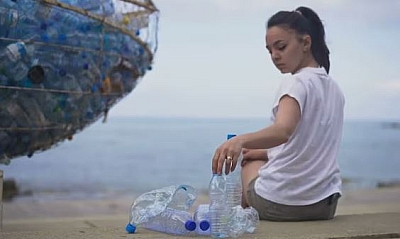
Plastic Pollution in Cameroon and Africa Plastic Pollution in Cameroon and Africa

The best of Tired Earth delivered to your inbox
Sign up for more inspiring photos, stories, and special offers from Tired Earth
By signing up for this email, you are agreeing to news, offers, and information from Tired Earth. Click here to visit our Privacy Policy.



Comment
Reply